
Organizations navigating today's complex regulatory landscape recognize that effective emission reduction is about transforming operations to capture market opportunities while addressing climate change challenges. The transformation reflects a fundamental shift in how businesses approach their carbon footprint, moving from reactive compliance to proactive strategic advantage.
Leading corporations now leverage comprehensive carbon management systems that integrate carbon accounting, emission monitoring, and strategic reduction strategies to drive both environmental and financial performance. The International Energy Agency (IEA) reports that improvements in energy efficiency made in 2019 avoided an increase of around 200 million metric tons of carbon dioxide emissions globally. This evolution from basic compliance to strategic business advantage positions forward-thinking organizations at the forefront of the global climate transition.
Effective carbon management is a strategic approach to identifying, measuring, and reducing greenhouse gas emissions across the entire value chain. It goes beyond offsetting, embedding climate considerations into everyday business decisions.
According to the SBTi Corporate Net-Zero Standard (Version 1.3, 2025), companies must prioritize deep, rapid carbon dioxide emission reduction across Scopes 1, 2, and 3. Carbon management therefore covers both direct operational sources — such as energy use and process emissions — and indirect upstream and downstream impacts within the corporate value chain.
The process starts with establishing a baseline for emissions, creating a foundation for science-based targets and progress tracking. It brings together multiple disciplines, from operational efficiency to supply chain engagement, within a coherent framework aligned with recognized standards and science-based pathways. Transparency, data accuracy, and regular verification are essential for maintaining credibility.
While the SBTi emphasizes internal abatement as the primary route to net-zero, Criterion C12 clarifies that carbon credits can play a complementary role. They may be used to finance beyond-value-chain mitigation or address residual emissions that cannot feasibly be eliminated.
Ultimately, carbon management provides a comprehensive framework for governance and continuous improvement. It helps organizations reduce their climate impact in line with the 1.5 °C goal while ensuring accountability for all emissions within and beyond their value chains.
The carbon management cycle provides organizations with a methodical framework for implementing comprehensive climate programs. This cyclical approach ensures continuous improvement while adapting to evolving regulatory requirements and market conditions. The Environmental Protection Agency (EPA) recommends a five-phase cycle that leading organizations use to assess, quantify, and systematically reduce emissions across their operations.
The Carbon Management Cycle Framework:
This iterative process enables organizations to refine their carbon management strategies based on performance data and emerging opportunities. Each cycle strengthens the information system supporting decision-making while building organizational capacity for long-term decarbonization.
To effectively reduce emissions, carbon management must operate as a cohesive system built around five interdependent elements. Working together, these components connect every stage of the value chain, ensuring both strategic coherence and improved operational outcomes.
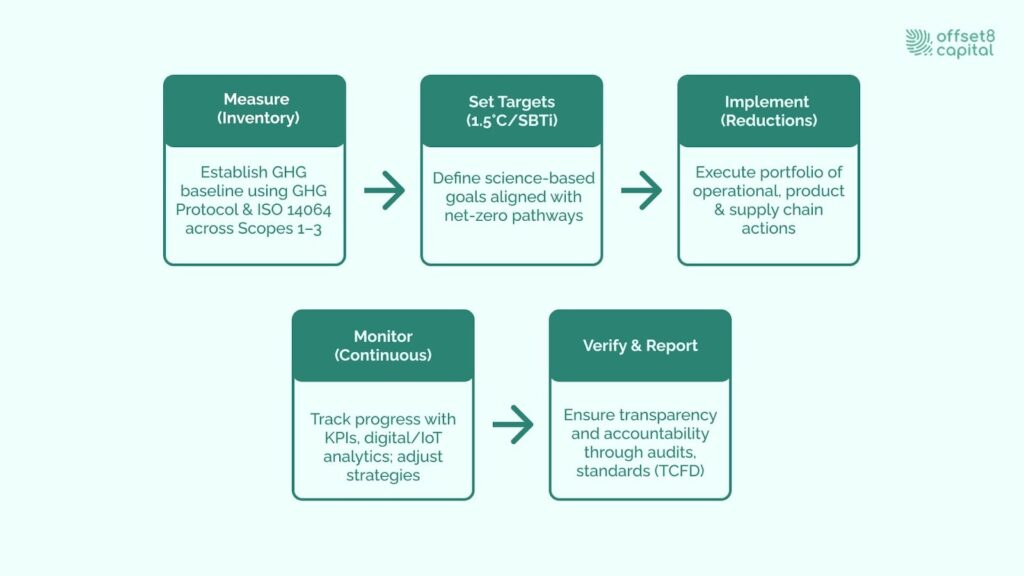
Fig 1. Illustrative Carbon Management Framework Example
Organizations increasingly explore carbon utilization pathways that transform captured CO2 into valuable products, creating circular economy opportunities. Direct air capture (DAC) technologies, while still emerging, offer potential for achieving carbon negative outcomes that exceed traditional mitigation approaches.
The need to adopt strong carbon management practices has become more pressing as regulatory frameworks, investor expectations, and market demands converge. According to the IPCC SR15, in pathways that limit warming to 1.5 °C with no or limited overshoot, global net anthropogenic CO₂ emissions must decline by about 45 % from 2010 levels by 2030, and reach net zero around 2050 (2045–2055). Organisations that fail to act now face mounting risks — such as stranded assets, loss of market access, growing energy and emissions-related liabilities, and weakening competitiveness.
Studies also indicate that mature carbon management programmes yield tangible benefits: firms embedding carbon-management strategies capture lower operational costs through energy efficiency, enhance investor confidence (reducing cost of capital), and develop premium-positioned low-carbon products and services.
The advantage arises across the market and energy value chains. For example, commitments such as becoming carbon negative by 2030 demonstrate how companies leverage the leadership in carbon management to differentiate themselves competitively and ready themselves for a low-carbon market transition.
The regulatory landscape for carbon management is evolving quickly as ISSB climate standards (IFRS S1/S2, which build on TCFD) are adopted or referenced across an expanding set of jurisdictions. Investors and lenders increasingly expect disclosures aligned with this global baseline.
In the EU, the Corporate Sustainability Reporting Directive (CSRD) applies from the 2024 financial year for the first wave of companies, with reports published in 2025 under the ESRS. In parallel, the Corporate Sustainability Due Diligence Directive (CSDDD) entered into force on 25 July 2024, introducing supply-chain due-diligence duties that will phase in over the next few years.
In the U.S., the SEC adopted a climate disclosure rule in March 2024, but implementation is stayed and the Commission ceased defending the rule in court in 2025; litigation remains ongoing, so obligations are uncertain at this time.
Carbon pricing continues to expand: the World Bank (2025) estimates that instruments now cover ~28% of global greenhouse gas emissions, generating over US$100 billion for public budgets in 2024. This growth reinforces market signals for emissions reduction across the energy system and broader market economy.
The financial stakes extend beyond compliance. The EcoVadis & BCG (2025) Carbon Action Report projects that neglecting Scope 3 could expose companies to over US$500 billion per year in annual liabilities by 2030 globally — highlighting why robust carbon management across the value chain matters for profitability and resilience.
Public-sector procurement is also a driver. For example, UK central government major contracts require a supplier Carbon Reduction Plan (PPN 06/21/PPN 006), nudging vendors toward net-zero alignment.
Implementing effective carbon management requires a portfolio of strategies that deliver both immediate impact and long-term transformation. The U.S. Department of Energy emphasizes that successful programs combine quick wins with systematic changes across operations, supply chains, and product design. Companies that successfully cut emissions usually use several methods at once, which work together and make the results stronger.
Leading corporations demonstrate that up to 60-70% of emissions can be reduced cost-neutrally through strategic interventions. The Database of State Incentives for Renewables & Efficiency (DSIRE) documents thousands of programs supporting energy efficiency and renewable energy adoption, providing financial incentives that improve project economics.
Accurate carbon measurement forms the foundation of effective management, requiring systematic approaches to data collection and analysis. The Greenhouse Gas Protocol, developed by WRI and the World Business Council for Sustainable Development, provides the globally accepted framework for carbon accounting. This methodology ensures consistency and comparability across organizations while supporting credible progress tracking.
The International Organization for Standardization (ISO) 14064 standards provide additional guidance for quantifying and verifying greenhouse gas inventories. Companies need to set clear boundaries, find all their emission sources, gather reliable data, and use verified emission factors to calculate their carbon footprint. Greenly and similar platforms increasingly automate these processes, reducing complexity while improving accuracy.
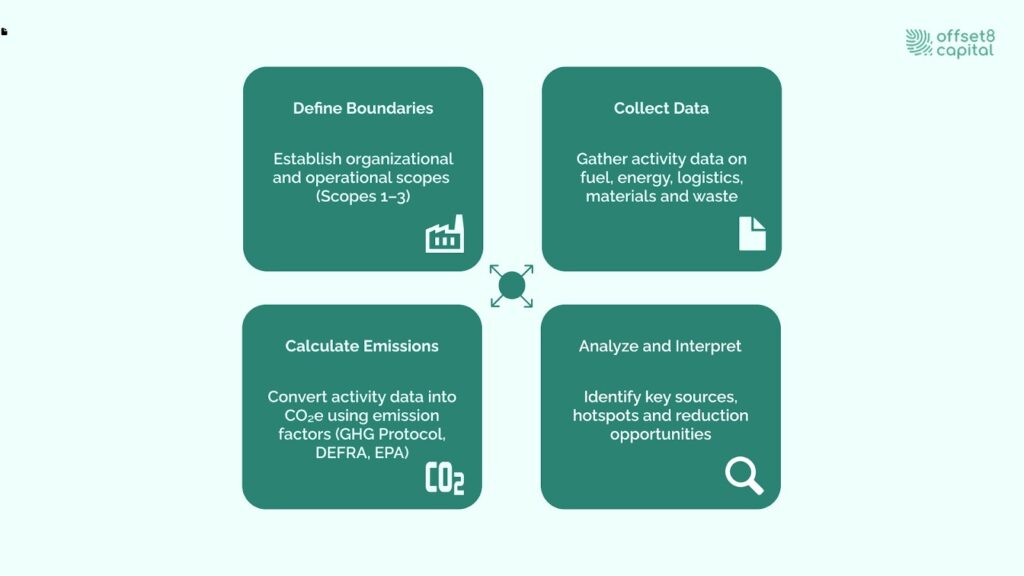
Fig 2. Measuring and Calculating Your Carbon Footprint
Establishing meaningful carbon reduction goals requires alignment with climate science to ensure contributions to global climate stabilization. The Science Based Targets initiative (SBTi) emphasizes that effective management must align with climate science, requiring organizations to set targets consistent with limiting global warming to 1.5°C above pre-industrial levels. This approach helps businesses support global net-zero goals and become more resilient to climate risks.
| Target Type | Application | Advantages | Considerations |
| Absolute Reduction | Fixed emission decrease (e.g., 50% by 2030) | Clear accountability, simple communication | May not account for growth |
| Intensity-Based | Emissions per unit of output | Accommodates business growth | Requires robust baseline metrics |
| Science-Based | Aligned with 1.5°C pathway | Credible, ambitious, recognized | Rigorous validation process |
| Net-Zero | Balance emissions with removals by 2050 | Comprehensive long-term vision | Requires removal strategies |
Table 1: Target Types Comparison
Life cycle assessment (LCA) provides complex visibility into carbon impact throughout product and service lifecycles. The Ellen MacArthur Foundation emphasizes that circular economy principles, informed by LCA, can reduce emissions by up to 45% across key sectors. This cradle-to-grave analysis reveals optimization opportunities often hidden within complex value chains.
Integration of life cycle thinking into carbon management enables identification of emission hotspots across the entire product journey. The EPA methodology for LCA encompasses raw material extraction and processing, manufacturing and production processes, distribution and transportation networks, product use phase impacts, and end-of-life waste management considerations.
Smart technologies and artificial intelligence increasingly enable real-time emission tracking and predictive optimization across complex operations. The convergence of digital solutions with traditional management approaches creates unprecedented opportunities for emission reduction at scale.
Carbon capture technologies represent a critical component of comprehensive decarbonization strategies, particularly for hard-to-abate sectors. Current applications focus on point-source capture from industrial facilities, with emerging direct air capture solutions offering potential for carbon negative outcomes. The IEA projects that carbon capture must scale to remove 7.6 billion tonnes of CO2 annually by 2050 to achieve net zero.
Digital solutions revolutionize carbon management through automated monitoring, predictive analytics, and optimization algorithms. These technologies enable organizations to track carbon emissions in real-time across complex operations, identify reduction opportunities through pattern analysis, optimize energy consumption using AI-driven controls, and simulate the impact of different reduction strategies.
Integration with IoT sensors and cloud computing platforms creates holistic management ecosystems that continuously improve performance. Million metric tons of CO2 are already being captured annually, but scaling to climate-relevant levels requires continued innovation and investment.
Organizations implementing comprehensive carbon management strategies often discover the strategic value of high-quality carbon credits as part of their net-zero pathways. Offset8 Capital specializes in providing premium nature-based carbon credits that align with international standards and compliance requirements, helping companies achieve ambitious reduction targets while supporting impactful projects across Africa and Southeast Asia.
Developing an actionable carbon management plan requires systematic integration with business strategy and operational processes. Successful plans move beyond aspirational goals to establish clear implementation roadmaps with defined responsibilities, timelines, and resource allocations. The planning process must engage stakeholders across the organization to ensure buy-in and accountability.
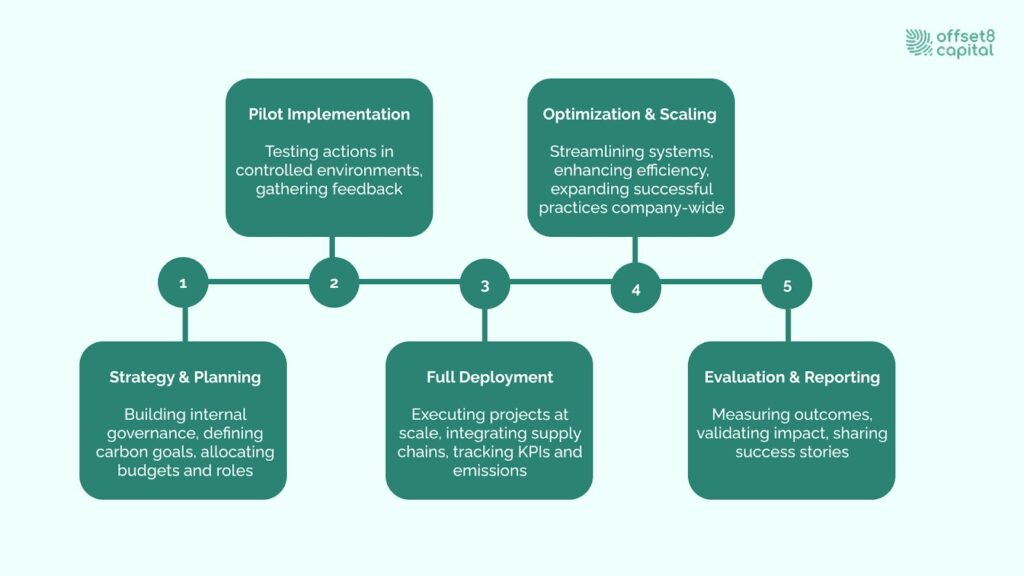
Fig 3. Five-Phase Plan Development Process
Good plans include clear rules and roles that make carbon management part of everyday decisions. This can mean using carbon pricing in investments, tracking emissions in performance reviews, forming cross-team groups to act, and managing climate risks systematically. Organizations with robust governance achieve better emission reduction outcomes compared to ad-hoc approaches.
Unilever’s plan to reach net zero by 2039 shows how a structured approach can achieve clear results and make a company more competitive. The company achieved a 70% reduction in operational emissions (Scopes 1 and 2) versus the 2015 baseline, primarily through renewable energy adoption and efficiency programs.
Microsoft's commitment to become carbon negative by 2030 showcases technology sector leadership in carbon management. The company reduced emissions by 17% year-over-year through renewable energy procurement while investing $471 million in climate innovation. Their approach integrates operational decarbonization, supply chain engagement, and carbon removal investments, creating a comprehensive model for achieving net zero.
The carbon management landscape continues to evolve rapidly as technological innovation, policy developments, and market dynamics reshape opportunities for emission reduction. New carbon capture and use technologies could change industries that are hard to decarbonize. Digital tools make it easier to track and manage emissions across the value chain with high accuracy.
Top 5 Emerging Trends in Carbon Management:
Initiating or advancing your carbon management journey requires clear steps tailored to organizational maturity. Success depends on systematic approaches that balance ambition with achievability, transforming challenges into opportunities while contributing to global net zero ambition.
Essential steps include conducting baseline assessments, engaging leadership to secure commitment and resources, building internal capacity through training, and establishing partnerships with experts.
Advanced organizations should focus on deepening supply chain engagement to address Scope 3 emissions, investing in emerging technologies for breakthrough reductions, and developing innovative financing mechanisms for large-scale projects.
With climate targets requiring 50% emission reduction by 2030, organizations must accelerate comprehensive carbon management strategies. The convergence of technological capability, market demand, and regulatory requirements creates unprecedented opportunity for those ready to lead.
FAQ
Carbon management drives competitive advantage through cost reduction, risk mitigation, and market differentiation while enabling organizations to meet stakeholder expectations and contribute meaningfully to global climate stabilization efforts.
Key requirements include mandatory greenhouse gas reporting under frameworks like TCFD, emerging carbon pricing mechanisms, supply chain due diligence regulations, and science-based target validation for public contracts and investor requirements.
Implementation timelines depend on the scale and maturity of a company’s processes. Under the Science Based Targets initiative (SBTi), organizations are given up to 24 months from the time of commitment to develop and submit their targets for validation. The validation process typically takes about 12 weeks after submission. Subsequent implementation of emission-reduction measures is a continuous improvement process that evolves as capabilities and technologies advance.

