
Forest carbon markets are transforming as climate commitments intensify and quality standards reshape the landscape. Understanding which forestry approaches deliver credible climate change mitigation has become essential.
Forest carbon credits monetize forests' natural carbon sequestration capabilities, representing a leading segment within the voluntary carbon market. Yet the market is experiencing a dramatic shift: Allied Offsets data shows Reducing Emissions from Deforestation and Forest Degradation (REDD+) retirements plunged from 221 million credits (2020-2024) to just 39 million in 2025 following overcrediting concerns. Meanwhile, Afforestation, Reforestation, and Revegetation (ARR) and Improved Forest Management (IFM) projects are gaining momentum as removal credits command substantial market premiums, with institutional buyers increasingly seeking CCP-Approved methodologies.
This guide explores project types, verification standards, market structure, quality differentiation, and future outlook. Together, these elements provide clarity for navigating the evolving nature-based climate solutions landscape.
Forest carbon credits are tradable certificates where each credit represents one metric ton of CO₂ reduced or removed from the atmosphere through these activities. Instruments harness photosynthesis – converting atmospheric CO₂ into biomass accumulation. Carbon storage occurs across multiple pools: above-ground biomass (trunks, branches, foliage), below-ground biomass (roots), dead organic matter, and soil organic carbon.
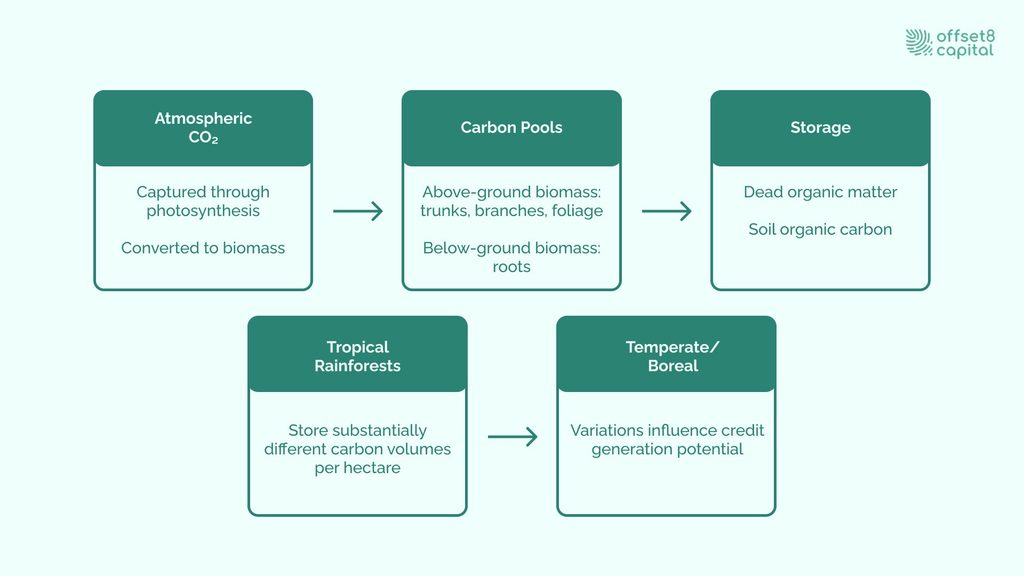
Fig 1: Forest Carbon Storage Process
Storage capacity varies significantly by forest type, age class, climate zone, and management regime. Tropical rainforests store substantially different carbon volumes per hectare compared to temperate or boreal forests. These variations directly influence credit generation potential and project viability assessments.
Verification standards validate carbon credit claims through rigorous protocols. According to publicly available registry data (as of early 2026), the Verified Carbon Standard (VCS) operated by Verra has registered over 2,500 projects and issued 1.3 billion Verified Carbon Units. The Gold Standard maintains stringent requirements. These frameworks mandate assessment across three interconnected quality criteria:
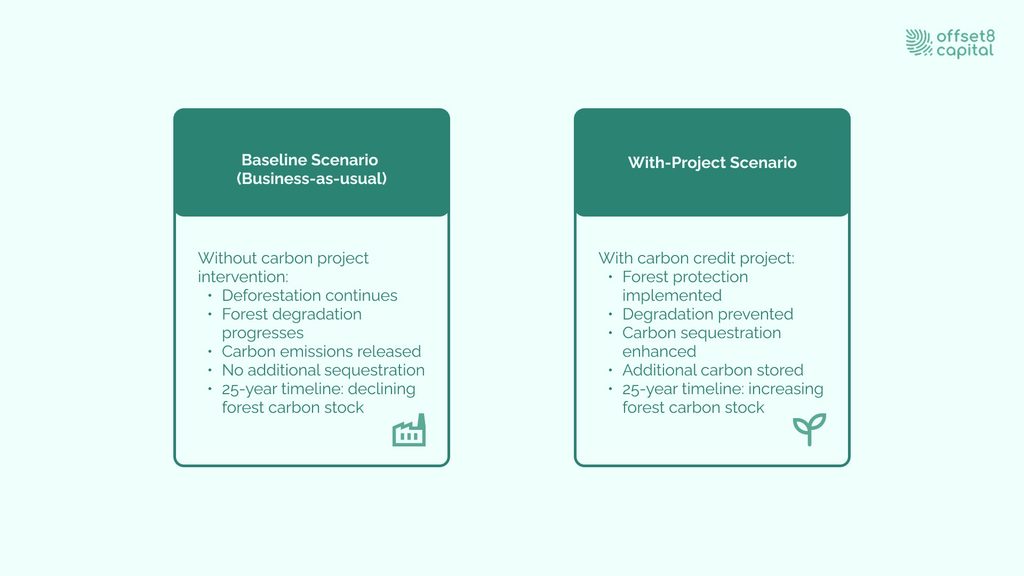
Fig 2: Project Additionality: Baseline vs With-Project Scenarios
Market structure distinguishes between voluntary markets serving corporate offsetting and compliance markets mandated by regulations. Compliance credits can command substantial premiums over voluntary market rates, driven by regulatory demand, stringent eligibility criteria, and limited supply. California's Cap-and-Trade program, the European Union Emissions Trading System, and emerging frameworks demonstrate this premium positioning. Third-party validation through established standards occurs throughout multi-decade periods, ensuring ongoing compliance and transparency.
Forest carbon offset projects encompass three primary categories, each with distinct approaches, development characteristics, and market positioning. Clear differentiation between them enables informed portfolio construction and risk assessment.
Improved Forest Management modifies existing forest practices to enhance carbon storage. Common interventions include extended rotation periods (delaying harvest), reduced harvest intensity (selective cutting), enhanced natural regeneration, and targeted conservation areas.
IFM projects generate credits relatively quickly compared to other nature-based project types, as existing forests already contain substantial carbon stocks. Capital requirements are generally lower than for afforestation efforts, and projects can leverage established forest inventory data to streamline baseline development and verification.
Afforestation / Reforestation establishes new forests on degraded lands, converting non-forested areas into carbon-sequestering ecosystems through planting programs or assisted natural regeneration.
ARR methodologies require longer development timelines before first verification, reflecting the time needed for forest establishment, growth monitoring, and carbon accumulation. However, this nature-based climate solutions category is increasingly recognized by the market due to active atmospheric CO₂ drawdown (removal component), significant biodiversity co-benefits and habitat creation, plus long-term carbon accumulation potential.
As of October 2025, over 240 million credits have been issued from ARR projects, representing approximately 8% of total voluntary market issuance according to the ICVCM Impact Report 2025.
Avoided conversion (REDD+) prevents deforestation by addressing economic drivers of deforestation such as agricultural expansion, logging concessions, or infrastructure development. REDD+ projects implement forest protection through improved agricultural practices, alternative livelihoods, enhanced patrols, and land tenure reform.
REDD+ dominates tropical regions experiencing acute deforestation pressures – Southeast Asia, Latin America, and Sub-Saharan Africa. While offering immediate climate benefits, this category faces the highest additionality challenges. Demonstrating that deforestation would genuinely occur without intervention requires rigorous baseline development.
Quality-dependent positioning means REDD+ credits span wide value ranges. High-integrity projects with robust additionality demonstration and quantified co-benefits tend to receive stronger market recognition.
| Project Type | Approach | Primary Regions |
| IFM | Modify existing management | Temperate, boreal forests |
| ARR | Establish new forests | Global – degraded lands |
| REDD+ | Prevent deforestation | Tropical regions |
Table1: Forest Carbon Project Types Overview
Forest carbon market pricing reflects multiple value drivers beyond carbon tonnage, creating differentiation opportunities for discerning investors. These economic factors inform strategic portfolio positioning aligned with institutional investment criteria.
Compliance eligibility generates substantial compliance premiums over voluntary market rates. Regulatory systems mandate emissions reductions, creating captive demand for approved credit types. In several systems, limited supply combined with regulatory demand drives significant price differentials.
Credit type differentiation shows remarkable pricing variation. According to Ecosystem Marketplace's State of the Voluntary Carbon Markets 2025 report, removal credits traded at a 381% premium over reduction credits in 2024, reflecting institutional preference for carbon dioxide removal aligning with net-zero pathways.
Vintage year impacts pricing substantially. Recent vintages from the last five years commanded 217% premiums over older credits, driven by updated methodologies, enhanced transparency requirements, and buyer preferences for contemporary verification protocols.
Co-benefits add measurable value beyond carbon metrics. Ecosystem Marketplace's 2023 report indicates projects with quantified co-benefits achieved 78% price premium, while SDG-aligned projects commanded 86% premiums. Verified ecosystem services include biodiversity conservation, watershed services, community livelihoods, and indigenous land rights protection.
Mitigation includes permanence mechanisms such as buffer pools — with designs varying across standards — rigorous verification cycles, and continuous monitoring. ICVCM Core Carbon Principles establish enhanced standards across all three dimensions, with credits carrying the CCP label only when issued by a CCP-Eligible program using a CCP-Approved methodology.
Development expenses, verification fees, registry charges, and intermediary commissions collectively impact project economics. Combined expenses disproportionately affect smaller projects, while economies of scale, digital MRV innovations, and streamlined methodologies are progressively reducing verification and monitoring barriers.
Institutional investors prioritize high-integrity credits with transparent methodologies, robust monitoring protocols, and alignment with recognized quality frameworks and market expectations over price minimization. This quality-focused procurement drives market evolution toward enhanced standards and accountability.
| Value Driver | Impact | Market Evidence |
| Compliance eligibility | Substantial premiums (up to 2-3x in some systems) | Regulatory demand exceeds supply |
| Removal vs. reduction | 381% premium for removals (2024) | Net-zero alignment preference |
| Recent vintage | 217% premium for last 5 years (2024) | Updated methodology preference |
| Quantified co-benefits | 78% premium over non-certified | Ecosystem services valuation |
| SDG alignment | 86% premium | Sustainability reporting needs |
Table2: Forest Carbon Credit Value Drivers
Forest carbon offset projects face challenges affecting integrity and long-term climate benefits span three interconnected quality criteria assessed together under standard methodologies. Addressing these considerations strengthens risk evaluation and portfolio quality management.
Additionality Verification
Additionality verification requires proving counterfactual scenarios – that carbon benefits exceed business-as-usual baselines. Financial additionality examines whether projects would proceed without carbon revenue, while practice-based additionality assesses whether management approaches exceed common regional practices.
Ongoing debates surround methodology strength and baseline conservatism. Legacy methodologies faced criticism for potentially overstating credit generation through reference regions with higher deforestation rates than project areas actually faced, or through generous baseline assumptions. Methodology improvements through dynamic baselines and enhanced barrier demonstrations address these concerns.
Permanence Risk
Permanence risk from natural disturbances and human threats creates long-term storage uncertainty. Wildfire frequency intensifies under changing climate conditions. Disease outbreaks, insects and pests, and extreme weather events cause mortality and carbon releases. Climate change amplification creates circular vulnerability – rising temperatures increase wildfire frequency, expand pest ranges, and alter precipitation patterns, while these disturbances in turn reduce forests' carbon storage capacity.
Human threats include illegal logging, land-use change from development pressures, and policy shifts affecting forest protection. Climate change amplification creates circular vulnerability – rising temperatures and altered precipitation increase disturbance frequency while reducing forests' carbon storage capacity.
Leakage Assessment
Leakage assessment examines activity displacement beyond project boundaries. Market leakage shifts timber production, while activity-shifting leakage displaces deforestation pressures to adjacent areas.
Methodologies require conservative baseline adjustments and monitoring beyond project areas. Jurisdictional approaches addressing entire regions better manage leakage risks but face implementation challenges.
Methodology Improvements
Regular monitoring requirements throughout multi-decade crediting periods address all three criteria simultaneously. Satellite monitoring, field measurements, and third-party validation occur on defined schedules. Dynamic baselines improve additionality accuracy, while enhanced MRV protocols leverage technology reducing costs.
ICVCM Core Carbon Principles establish unified quality thresholds across additionality, permanence, and leakage dimensions. Credits carry the CCP label only when issued by a CCP-Eligible program (such as VCS or Gold Standard) using a CCP-Approved methodology — ICVCM's "two-tick" process ensuring integrity at both program and methodology level.
The trajectory of forest carbon markets points toward a fundamentally different landscape over the next decade. As climate policy frameworks mature, verification technology advances, and institutional capital flows accelerate, nature-based solutions are transitioning from a niche offset category to a core component of climate finance infrastructure.
Ecosystem Marketplace's 2025 analysis already signals this shift: despite a 25% volume decline in 2024, retirements held steady at 182 million tonnes — demonstrating that the voluntary carbon market is concentrating around quality rather than quantity, and setting the foundation for the next phase of growth.
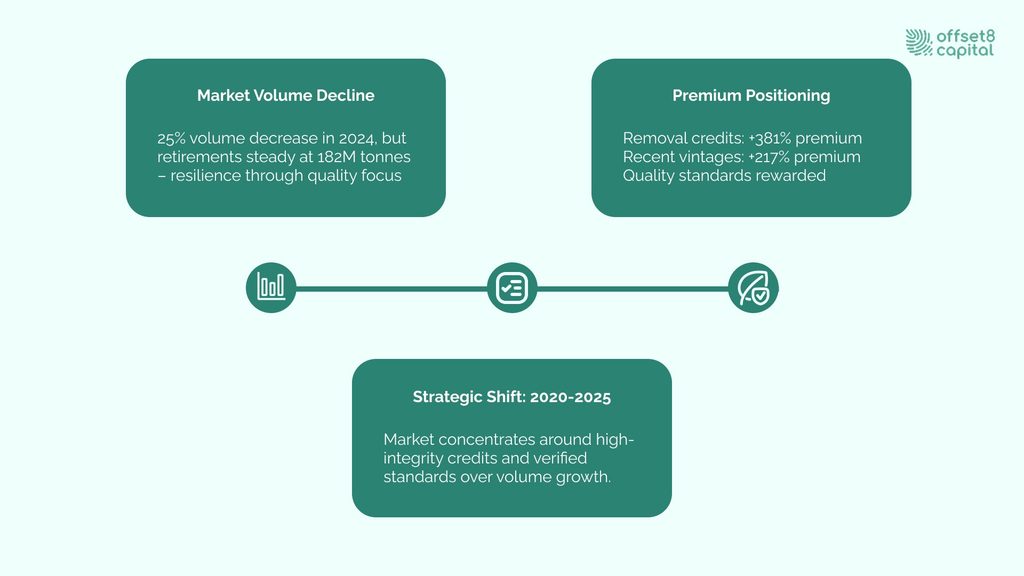
Fig 3: Voluntary Carbon Market Evolution: Quality Over Volume
Compliance market expansion accelerates through multiple channels:
Article 6 operationalization under the Paris Agreement advances frameworks for government-to-government credit transfers, with project-level requirements defined by methodologies and MRV rules under each carbon standard. Japan established the Joint Crediting Mechanism partnership with India – its 31st partner nation – on August 7, 2025. Singapore finalized Implementation Agreements with 10 partner countries, creating frameworks for corresponding adjustments preventing double-claiming.
Technology innovations reduce verification costs and improve accuracy. Verra digitalized 22+ methodologies by September 2025. ICVCM's Market Modernisation program advances satellite monitoring and AI-powered MRV systems enabling near-real-time forest carbon tracking. These improvements enhance permanence monitoring while lowering barriers for quality project development.
Corporate commitments drive institutional procurement toward quality standards. Over 10,000 companies have Science-Based Targets initiative (SBTi) validated targets. Within these frameworks, carbon credits function as instruments for residual emissions neutralization — driving sustained demand for high-integrity credits aligned with net-zero pathways. This corporate momentum concentrates purchasing power around ICVCM Core Carbon Principles and similar quality frameworks, rewarding transparent methodologies and robust permanence mechanisms.
Challenges remain balancing scale with integrity for nature-based climate solutions. Permanence insurance beyond current buffer pool models requires innovation as climate change amplifies reversal risks. Additionality verification must address baseline concerns through dynamic methodologies. Equitable benefit distribution ensuring indigenous communities and local populations receive fair compensation for forest stewardship remains essential for long-term project sustainability and social license.
Disclaimer
*Disclaimer: This commentary is for informational purposes only and should not be considered financial, investment, or regulatory advice. No assurances or guarantees are made regarding its accuracy or completeness. Views expressed are our own and subject to change
Forest carbon credits are tradable certificates representing one metric ton of CO₂ sequestered or avoided through forestry activities. Photosynthesis captures atmospheric CO₂, converting it to biomass stored in trees, roots, and soils. Storage capacity varies significantly by forest type, age, and climate. Third-party verification standards like VCS and Gold Standard validate carbon claims through rigorous monitoring protocols throughout multi-decade crediting periods, ensuring additionality, permanence, and leakage assessments.
Forest carbon offset projects encompass three primary categories exist: Improved Forest Management (IFM) modifies existing forest practices like extending rotations or reducing harvest intensity, generating credits relatively quickly. Afforestation/Reforestation (ARR) establishes new forests on degraded lands, requiring longer development timelines but commanding premium positioning due to removal components and habitat creation. Avoided conversion (REDD+) prevents deforestation, dominating tropical regions but facing highest additionality verification challenges.
Differentiation reflects multiple factors beyond tonnage. Compliance credits can command substantial premiums – differentials in some systems reach 2-3x voluntary rates – driven by regulatory demand and eligibility requirements. Removal credits traded at 381% premium over reductions in 2024 per Ecosystem Marketplace data, while recent vintages commanded 217% premiums. Projects with quantified co-benefits achieve substantial premiums. Institutional investors prioritize quality over price, concentrating procurement around high-integrity credits.
Three interconnected concerns require assessment: Permanence risk from natural disturbances (wildfire, disease, weather) and human threats (logging, conversion), with climate change amplifying vulnerability. Additionality verification proving carbon benefits exceed business-as-usual baselines through barrier analysis, facing ongoing methodology debates. Leakage assessment examining activity displacement beyond project boundaries. Mitigation includes buffer pools (typically 12-20% depending on risk profile), rigorous verification cycles, and continuous monitoring. ICVCM Core Carbon Principles establish enhanced standards across all three dimensions.
Ecosystem Marketplace demonstrates demand resilience – removal credits commanded 381% premiums despite 25% volume decline (2024), reflecting quality concentration. Compliance market expansion could multiply demand substantially through Japan GX-ETS (mandatory April 2026), EU CBAM (implemented January 2026), and sovereign procurement programs. Article 6 operationalization enables international trading infrastructure. Technology innovations (satellite monitoring, AI-powered MRV) reduce costs while improving accuracy. Over 10,000 companies with SBTi validated targets drive institutional procurement toward ICVCM Core Carbon Principles, positioning high-integrity forestry credits as essential portfolio components.

